When a Cathay Pacific passenger’s flight was cancelled, they turned to the airline’s chat feature and got frustrated with how it was wasting their time. Cathay then sent what appeared to be an internal AI prompting note.
It seems the psasenger had been flying Hong Kong – Okinawa on HK Express as a Cathay Pacific codeshare (UO842 / CX5842) as Typhoon Jangmi approached Japan, causing cancellations.
Here’s the rest of the chat. This looks like AI agent-assist prompt leakage, rather than the AI itself responding which is what most people seem to think.
This looks more like a human customer service agent using an internal “co-pilot” tool to write replies, and pasted their instructions into the customer WhatsApp channel instead of giving an actual response. When you see “Hi, co-pilot” and “when I say better…” this looks less like a system prompt and more like an instruction for an AI writing assistant.
- What’s awkward is that tool was being used to manufacture empathy: “acknowledge feelings,” “use I statements,” “positive tone,” “validating their reason.” The airline’s live human is looking to the ghost in the machine to create human emotional connection.
- And they’re doing this when what the customer needs is a concrete rebooking option. The instruction is focused on sounding empathetic, not resolving the problem, which seems like what AI is actually useful for.
- Even if a human sent it, they didn’t read it first. AI can make us faster and more efficient, but also more careless.
- Seeing the machine instruction behind the empathy causes the resulting message to fall flat. We respond to human emotion as though it’s genuine, but once it’s revealed to be manufactured it loses all force.
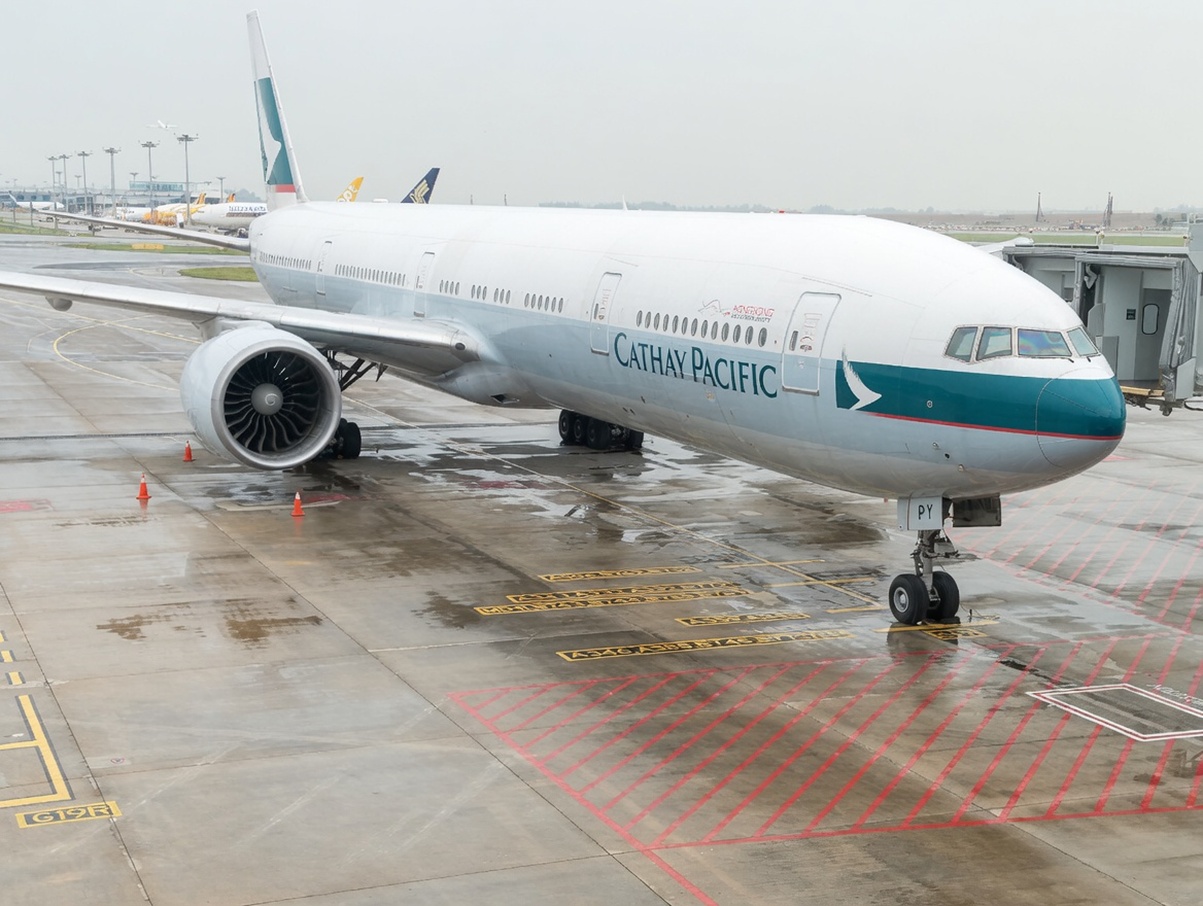
Cathay has promoted Microsoft Copilot adoption internally, with the usual pablum about “humans remain in the driving seat.” That’s why I think the framing of “Hi, co-pilot” makes sense that this was a drafting tool copy/paste. And everyone knows that co-pilot is terrible.
Airlines have been working on automated chatbots for decades. The first one I remember was Alaska’s Jenn which launched in 2008 to answer common questions. I never found it especially useful, but it could direct you to information that was otherwise available online. It was more ‘Ask Jeeves’ (phrase your queries in natural language) than AI.
Since then airlines have moved from FAQ bot to something closer to AI for both automated rebooking and agent assistance. American Airlines was explicit about use of AI in automated rebookings.
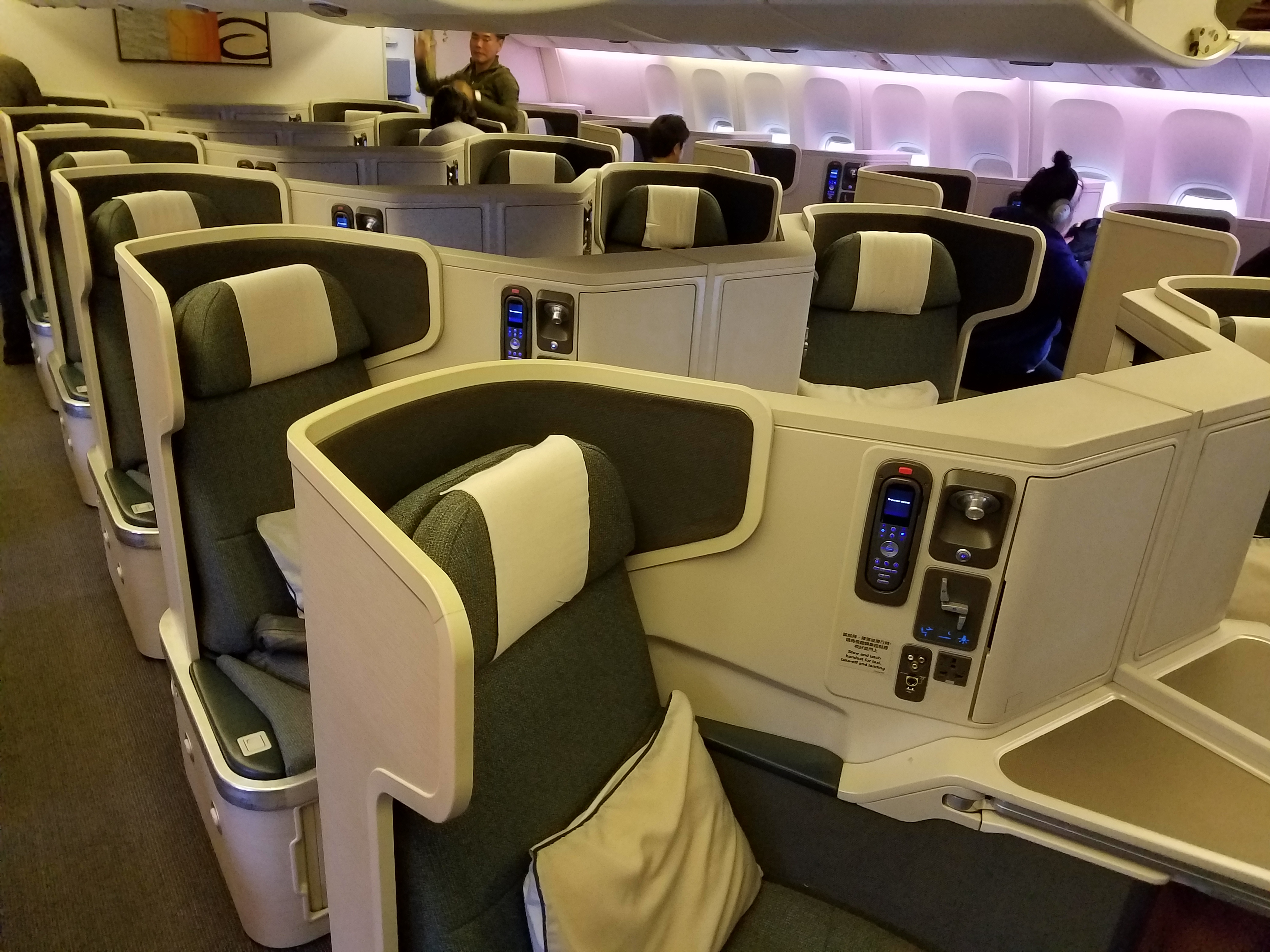
These chatbots seem to be mostly fine for getting basic information in the Jenn sense of taking natural language queries, searching for answers in a database, and returning simple responses to passengers. They’re not yet there for handling exception cases and acting as a true agent. It seems like the Frontier models are capable of this, but the actual airline implementations fall short. Are their tech teams just unable to work with top products? Or unwilling to spend the tokens (the best AI may be more expensive than offshored agents)?
Two years ago Air Canada was held liable for the bad information its chatbot gave out. The airline argued they weren’t responsible for it, but that didn’t fly. Of course, airline human agents give out bad information all the time. Getting call center recordings is very tough and they’re rarely held to account.
(HT: Rene)